Architecture, Design, and Strategy for a New Era of Real Estate Development
Transforming speculative ideas into buildable assets through design intelligence, creative strategy, and integrated workflows.
The Real Estate Ecosystem is rapidly being challenged by technology. A shift in power between Owners and Architects is underway that will transform the nature of business from speculation to cash flow positive assets for years to come. Since 2005, RUSTEBERG has navigated this ecosystem across all asset types and classes while acting as a silent mediator between Owners, AEC affiliates, Equity Partners and the Market. RUSTEBERG offers solutions most parties are unaware of and has been a “Secret Weapon” in the real estate space for over 20 years.Our Role:
Navigating All of This.

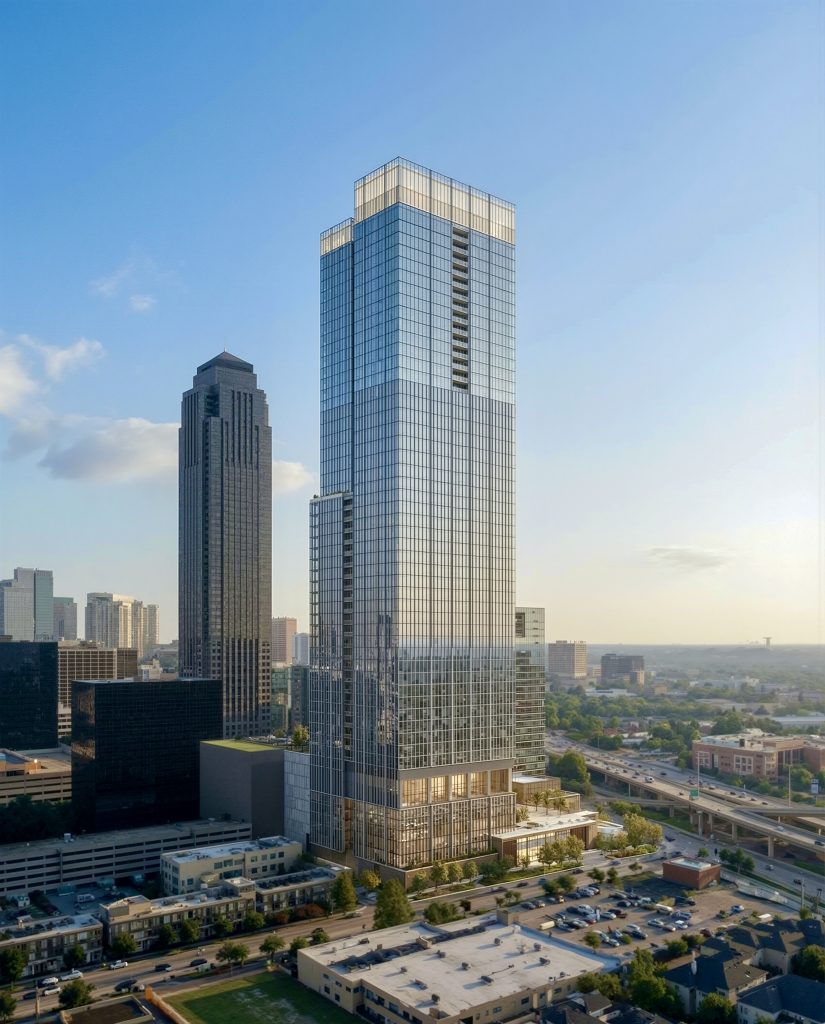
Speculative Tower Rendered by AI
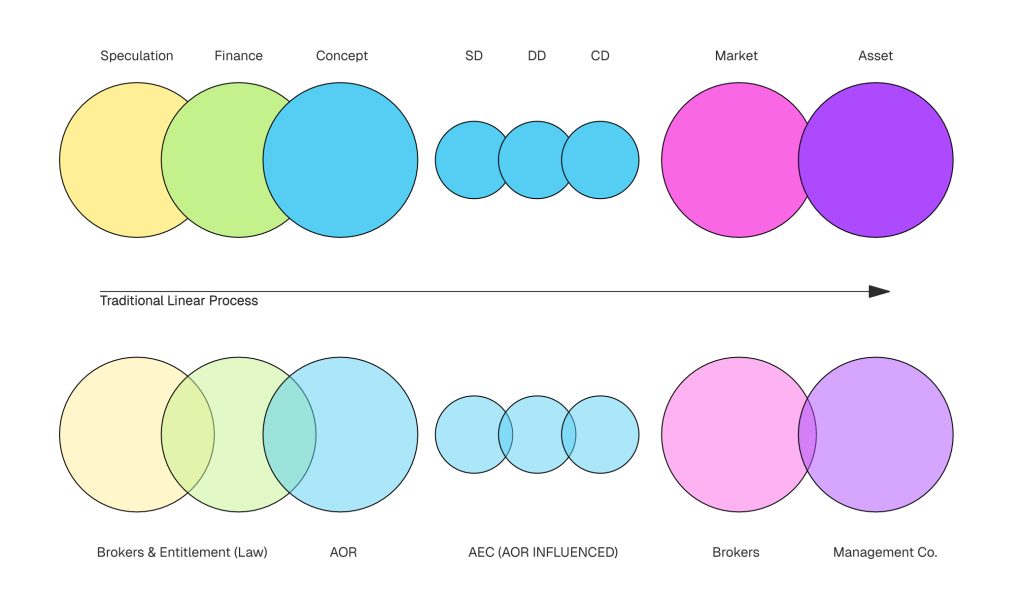
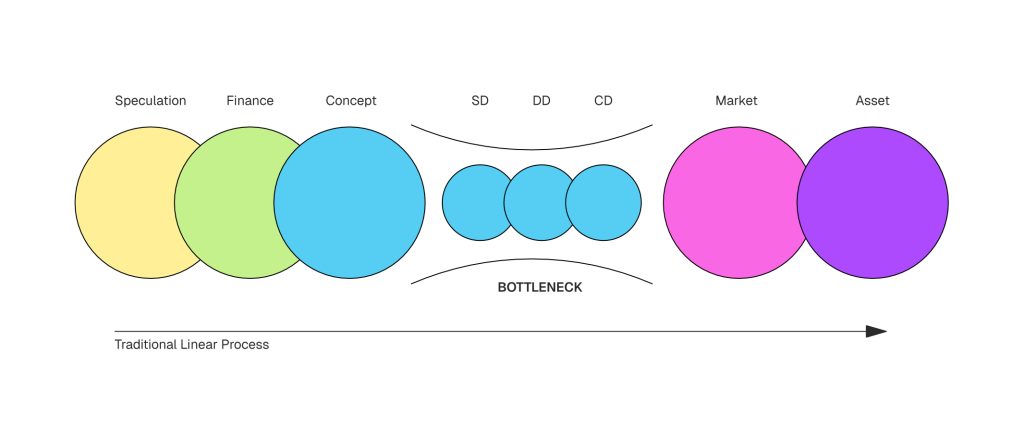
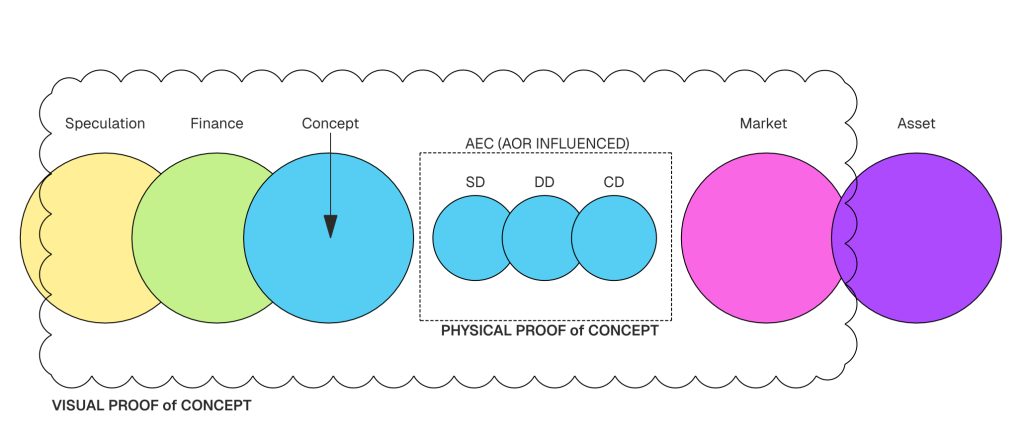
The Real Estate Ecosystem begins with speculation, where a land opportunity or market gap is identified, followed by finance, where capital is assembled to underwrite risk and feasibility. From there, a concept is developed that translates financial ambition into a physical idea. This idea then encounters the real-world bottlenecks of the AEC industry, moving sequentially through schematic design (SD), design development (DD), and construction documentation (CD)—each step requiring coordination, approvals, technical resolution, and cost certainty.

These slow, fragmented stages form the gravitational center of “soft costs,” consuming time and budget before anything exists. Once the concept survives these bottlenecks, it is delivered to market, where brokers package and sell the completed product, transforming it from a speculative idea into a monetized asset that can generate revenue, appreciate, or be traded in the financial ecosystem.
AI Pipelines.
The hype around total AI control of the real estate ecosystem is largely misplaced because the industry is not a monolithic, automated pipeline—it is a complex sequence of negotiations, regulations, design decisions, and market behaviors that cannot be fully replaced by machines. The real opportunity lies in targeted, surgical AI deployment within the slow, high-friction segments of the process—especially the iterative, document-heavy phases of the AEC bottleneck where schematic design, design development, and construction documentation consume disproportionate time and cost.

By accelerating coordination, reducing rework, extracting data from drawings, and speeding entitlement or feasibility analysis, AI can meaningfully compress timelines without pretending to automate the entire ecosystem. In other words, AI succeeds not by replacing humans end-to-end, but by optimizing the historically inefficient spans so that the ecosystem moves faster, with less waste and more clarity.
Soft Costs. Big bottlenecks.
Eliminating Both.

Furniture Rendered by AI
In the Real Estate Ecosystem, each major stakeholder—speculators, financiers, designers, and the market—circulates around a gravitational nucleus of soft cost, composed heavily of the AEC-driven phases of schematic design (SD), design development (DD), and construction documentation (CD). These phases act as the true proof of concept, where ideas, assumptions, and pro formas are translated into technical, regulatory, and economic reality.

Because this proof is not abstract but encoded in drawings, models, and approvals, it becomes the most expensive and time-consuming part of the orbit. Critically, this nucleus is shaped and constrained by the Architect of Record (AOR), whose decisions, interpretations, and liability define the feasibility, cost structure, and risk tolerance of the entire ecosystem. As a result, the AOR becomes a dominant influence over how quickly and successfully a speculative concept can materialize into a market-ready asset.
Typical Field Detail Drawn by AI

Field Detail Visualized by AI
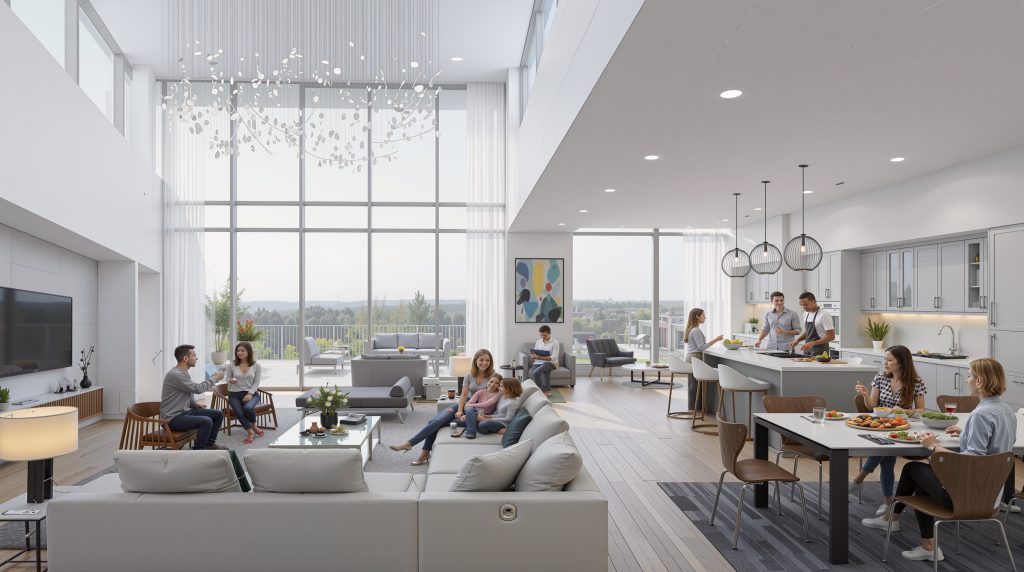
Penthouse Rendered by AI
Over time, as soft costs are reduced and higher-margin professional services are replaced by lower-margin, technology-driven tools, the act of construction—physical manifestation—begins to absorb the value of entire industries upstream. In other words, the built outcome becomes the tangible twin of the original idea, requiring fewer layers of translation, fewer intermediaries, and fewer iterations to move from concept to reality.

This doesn’t occur as a single disruption but as a gradual, targeted erosion of bottlenecks, where specific choke points in design, coordination, and documentation are automated, augmented, or bypassed. As these friction points are strategically relieved, production cycles shorten, risk decreases, and the costs previously concentrated in the soft-cost nucleus become redistributed or eliminated.

The result is a future ecosystem where the manifestation of ideas becomes faster, cheaper, and less constrained—not by replacing the entire process at once, but by surgically optimizing the parts of the system that historically slowed it down.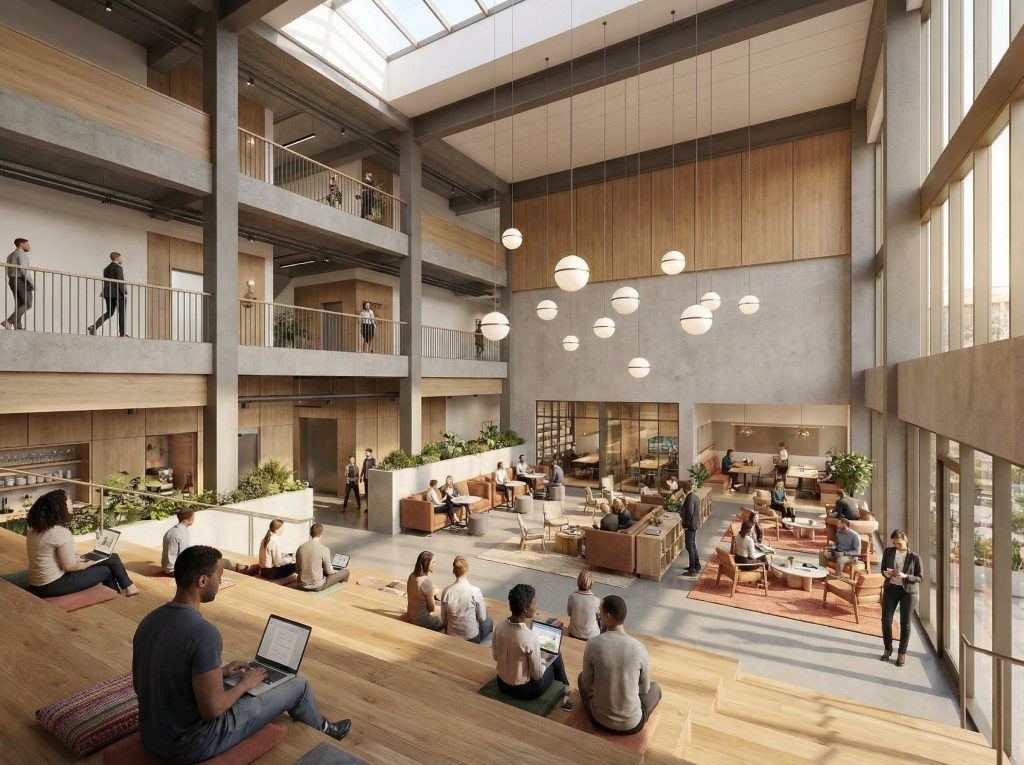
Common Space Rendered by AI
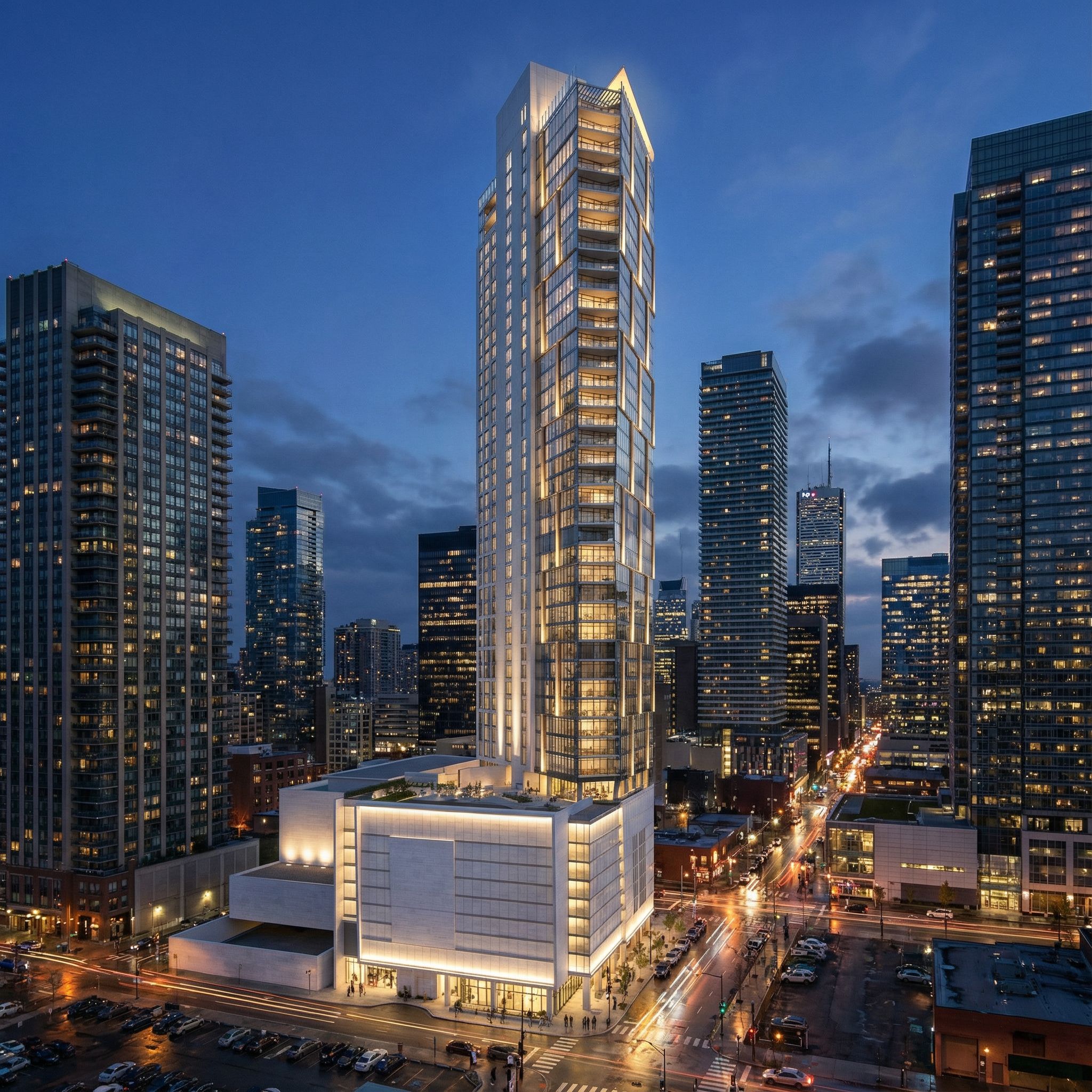
Speculative Tower Rendered by AI
Solutions:
Where we fit in.
AI tools now enable developers, architects, and stakeholders to generate highly coherent visual concepts long before a project enters the rigorous SD, DD, and CD phases. These early visualizations serve as a bridge across the entire real estate ecosystem: they give shape to speculation, provide finance with tangible narratives for underwriting, and establish a design intention that guides the Architect of Record as the project transitions into physical proof of concept.

 Instead of waiting for traditional documentation cycles to validate feasibility, AI front-loads clarity by producing compelling imagery, massing studies, and environmental cues that reveal the project’s potential in minutes rather than months. This early visual proof becomes the gravitational center that aligns speculation, capital, and design, ensuring that when the AOR begins formal development, the narrative, intent, and expectations are already synchronized—reducing friction, accelerating consensus, and improving the efficiency of the downstream SD, DD, and CD phases.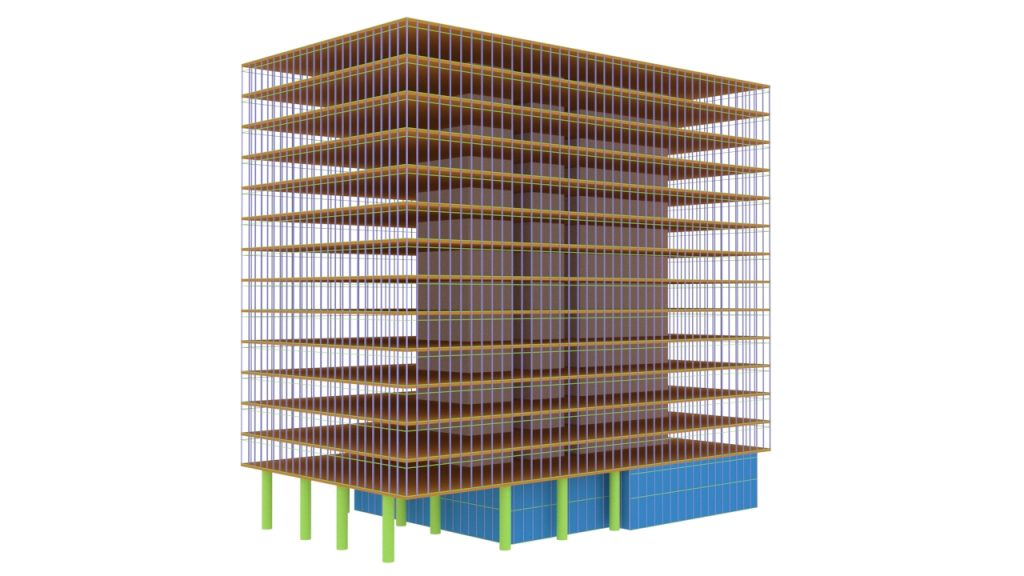
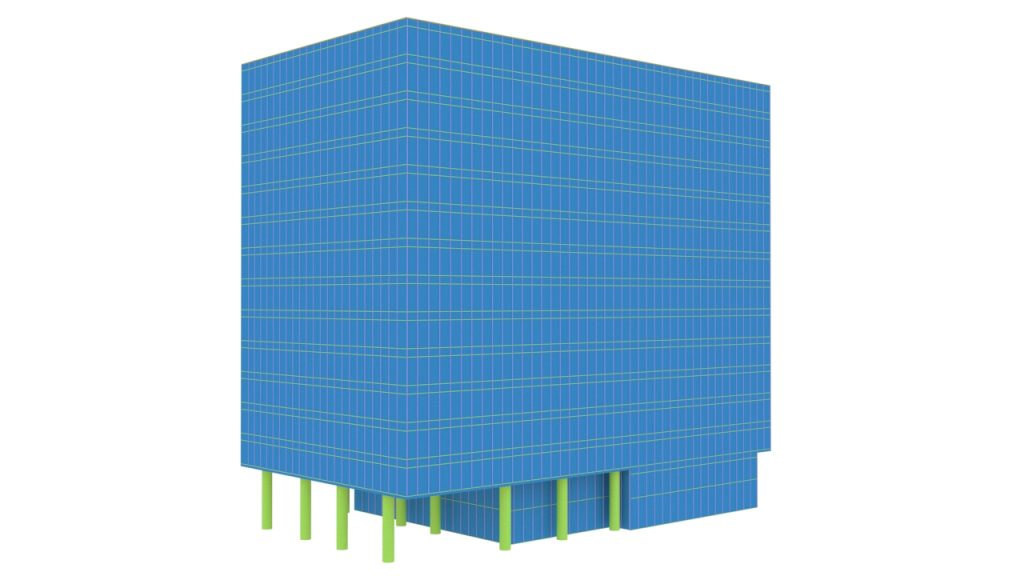
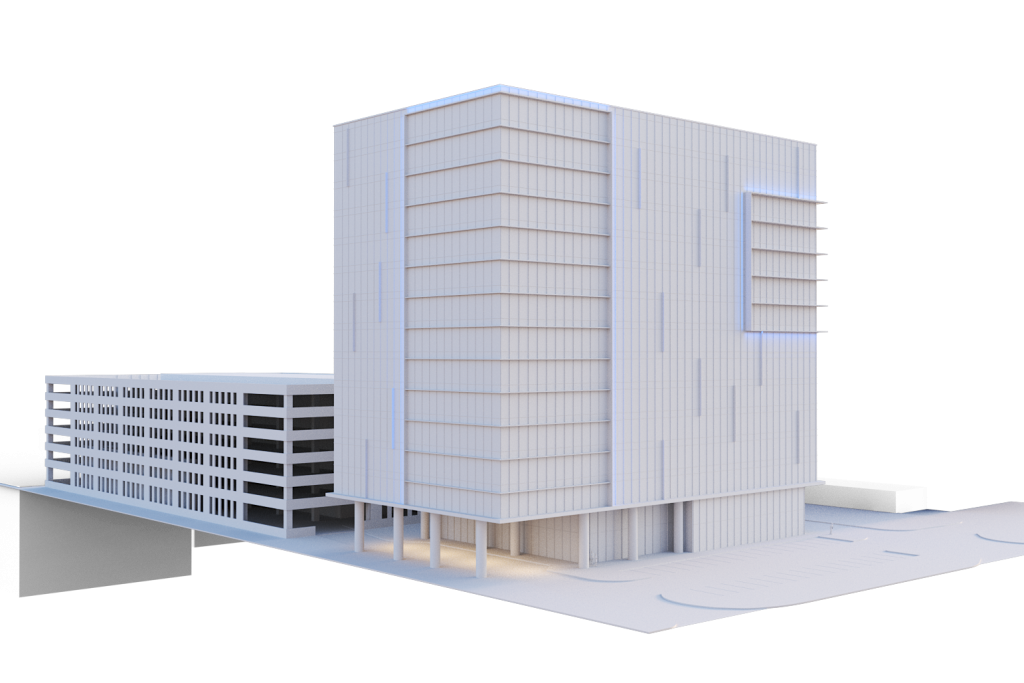
Concept Models Based on Real World Parameters
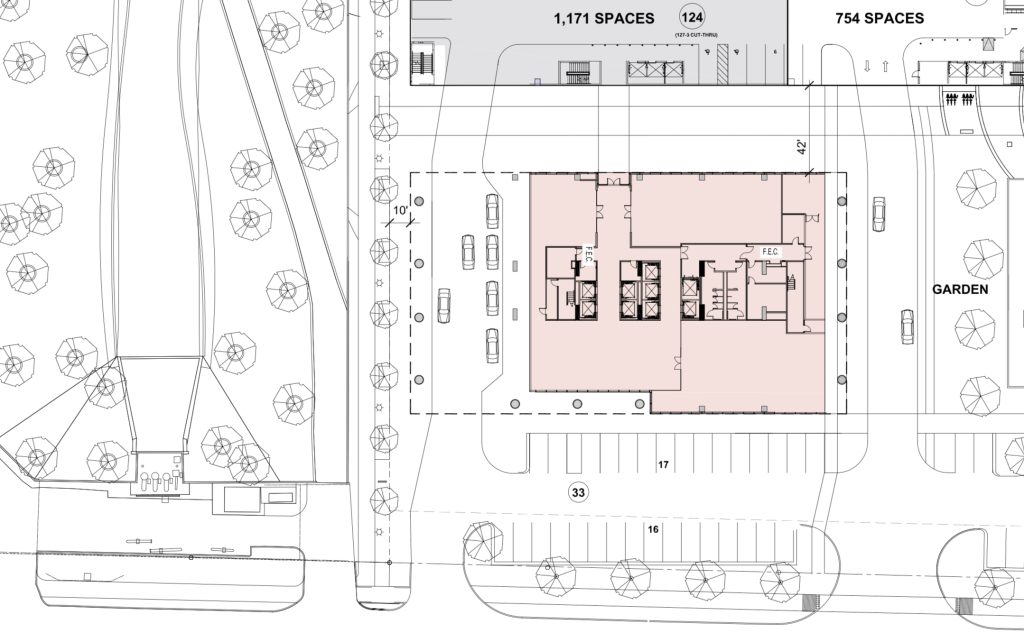
Real World Parameters Speculative Phase Pre AOR
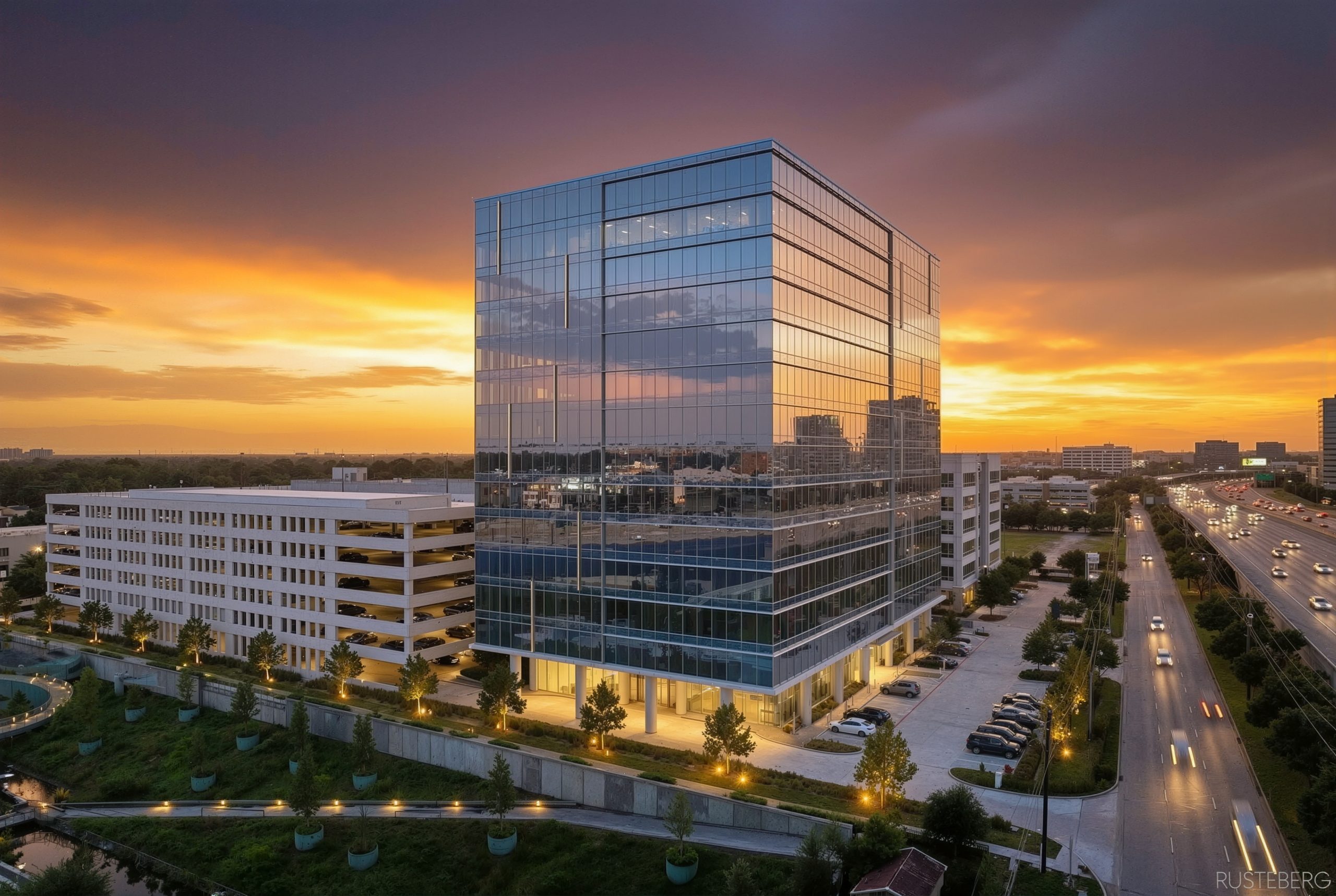
Speculative Office Building Rendered by AI
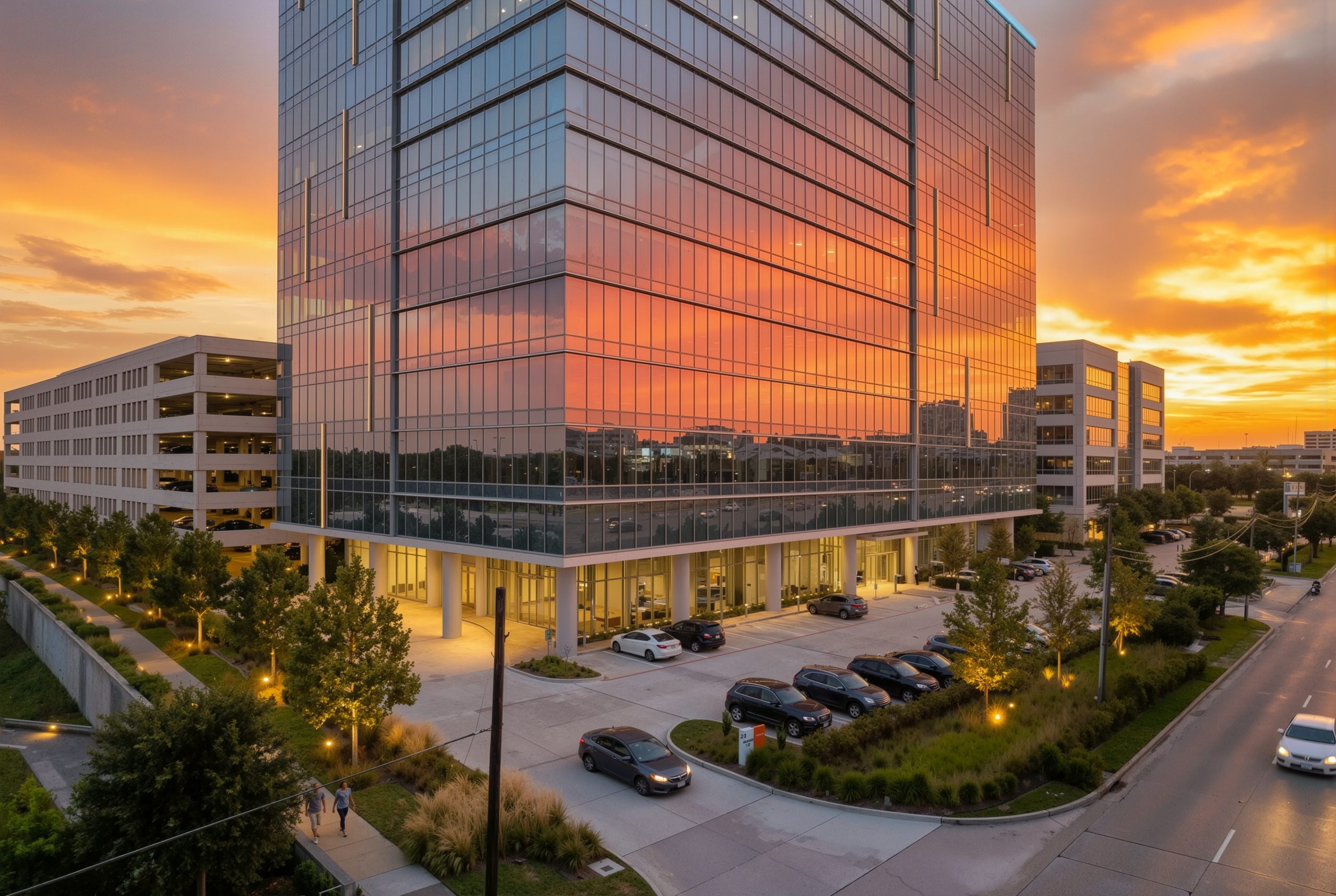
Speculative Office Building Rendered by AI
Speculative Tenant Presentable Content
AI enables concepts to be generated at the very earliest stage—before a program exists, before a site strategy is defined, and even before anyone knows what the project wants to become. Instead of beginning with a clear brief and moving linearly into design, AI allows teams to start with nothing more than a feeling, a market intuition, or a loose development thesis. From that ambiguity, AI rapidly produces visual possibilities, architectural moods, spatial narratives, and development scenarios that help clarify direction long before traditional workflows would normally begin.

In this way, AI becomes a brainstorming partner—expanding the field of potential rather than narrowing it. It reveals opportunities the team may not have considered, aligns stakeholders around aesthetic or conceptual trajectories, and offers speculative imagery that can shape finance, influence land strategy, or inspire the eventual design intent. AI doesn’t just speed up design—it creates the space where ideas are discovered, explored, and tested before any formal design process exists.
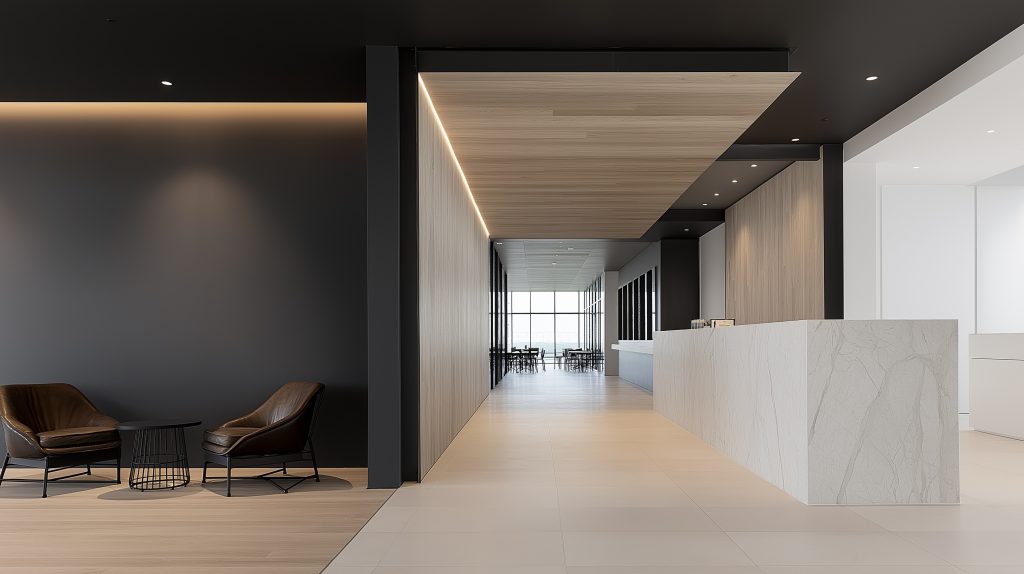


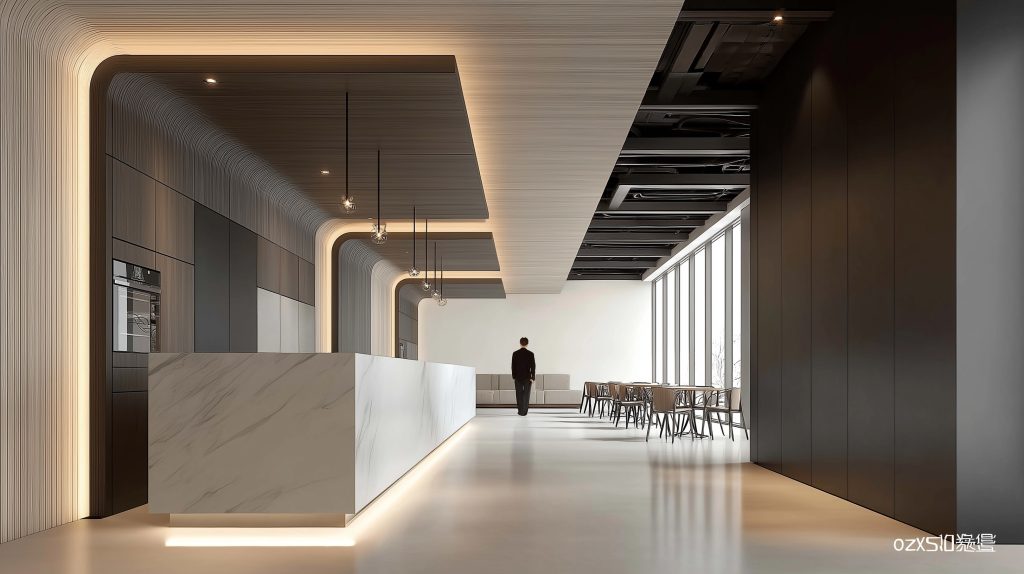
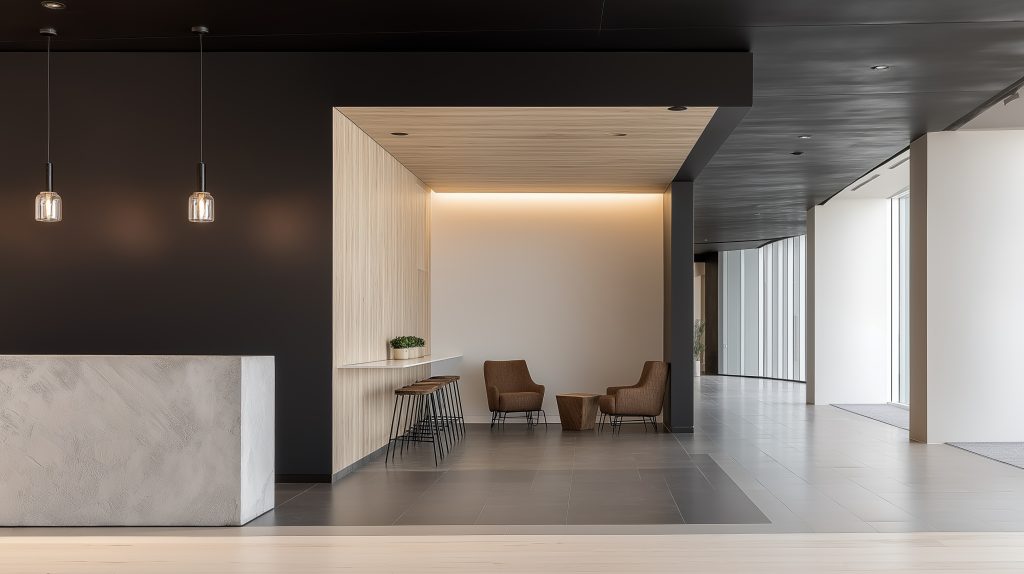




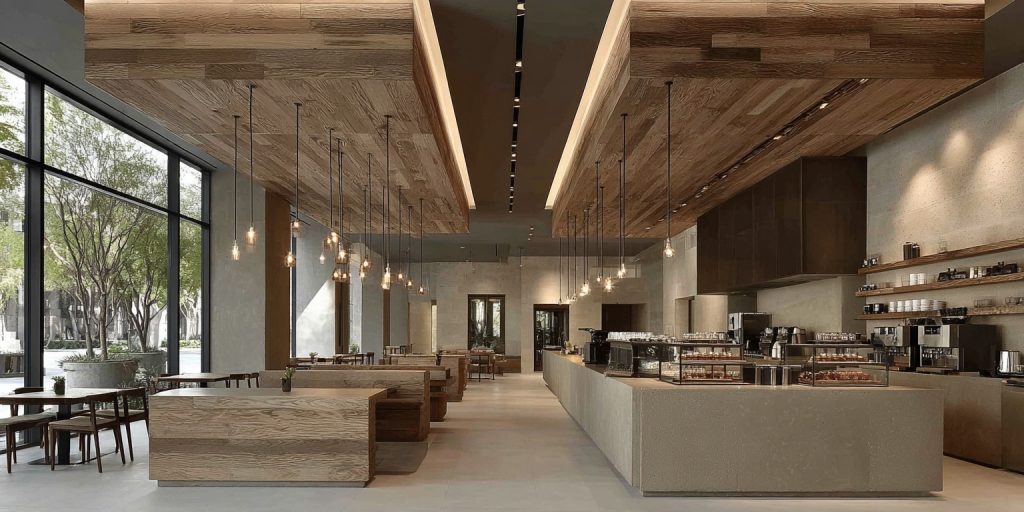

Speculative AI Concepts Generated prior to Traditional Planning
AI can render directly from a simple 3D model, instantly transforming raw geometry into polished visualizations that communicate form, mood, and design potential. This capability is especially powerful in the speculative phase, where stakeholders need clarity before committing time or capital. Instead of waiting for traditional rendering workflows, AI produces rapid, convincing imagery that helps test ideas, gauge market appeal, and build early confidence—long before the project enters SD, DD, or CD. In speculation, speed and narrative are everything, and AI delivers both on demand.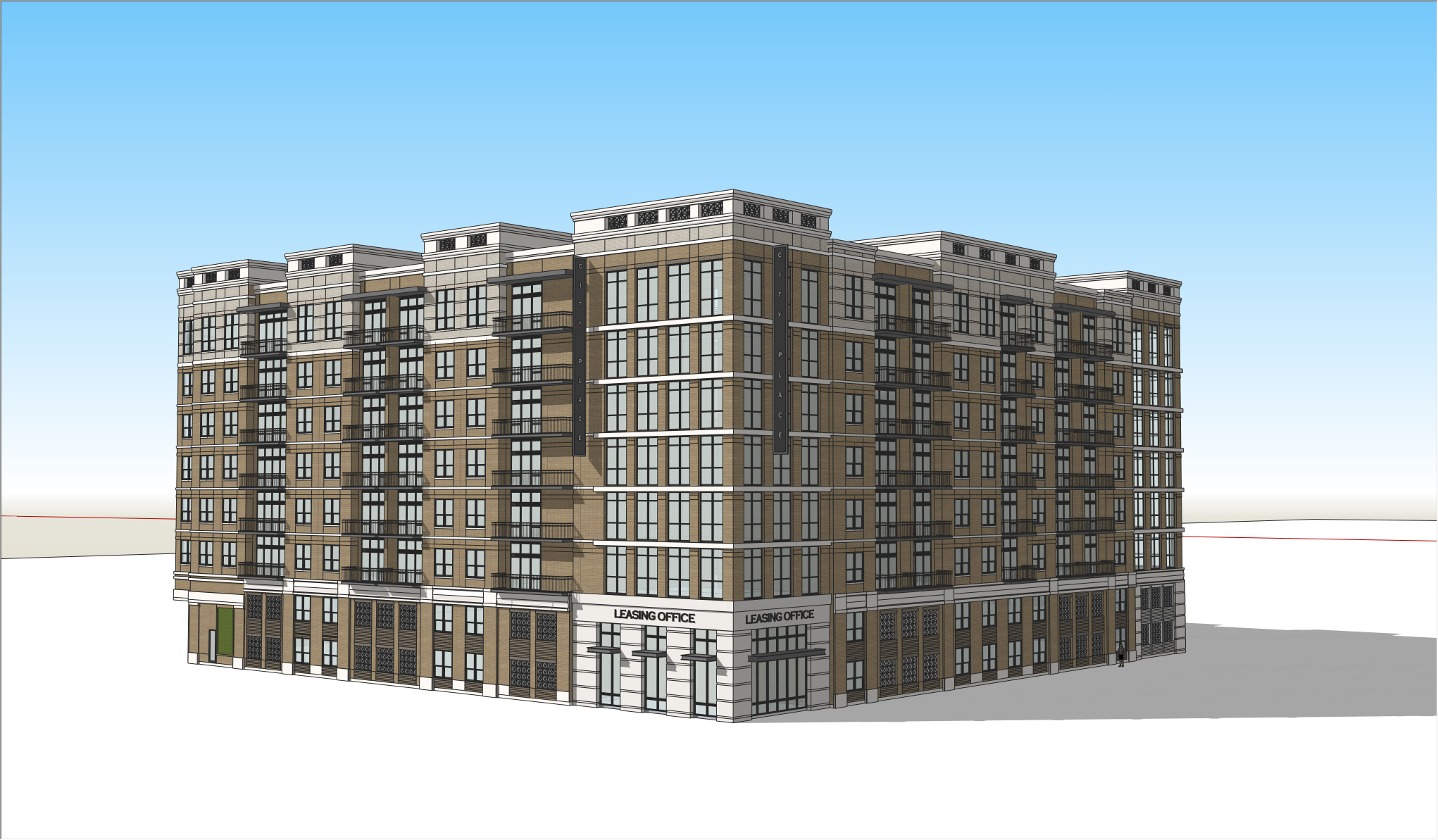
Traditional In House Sketchup Model
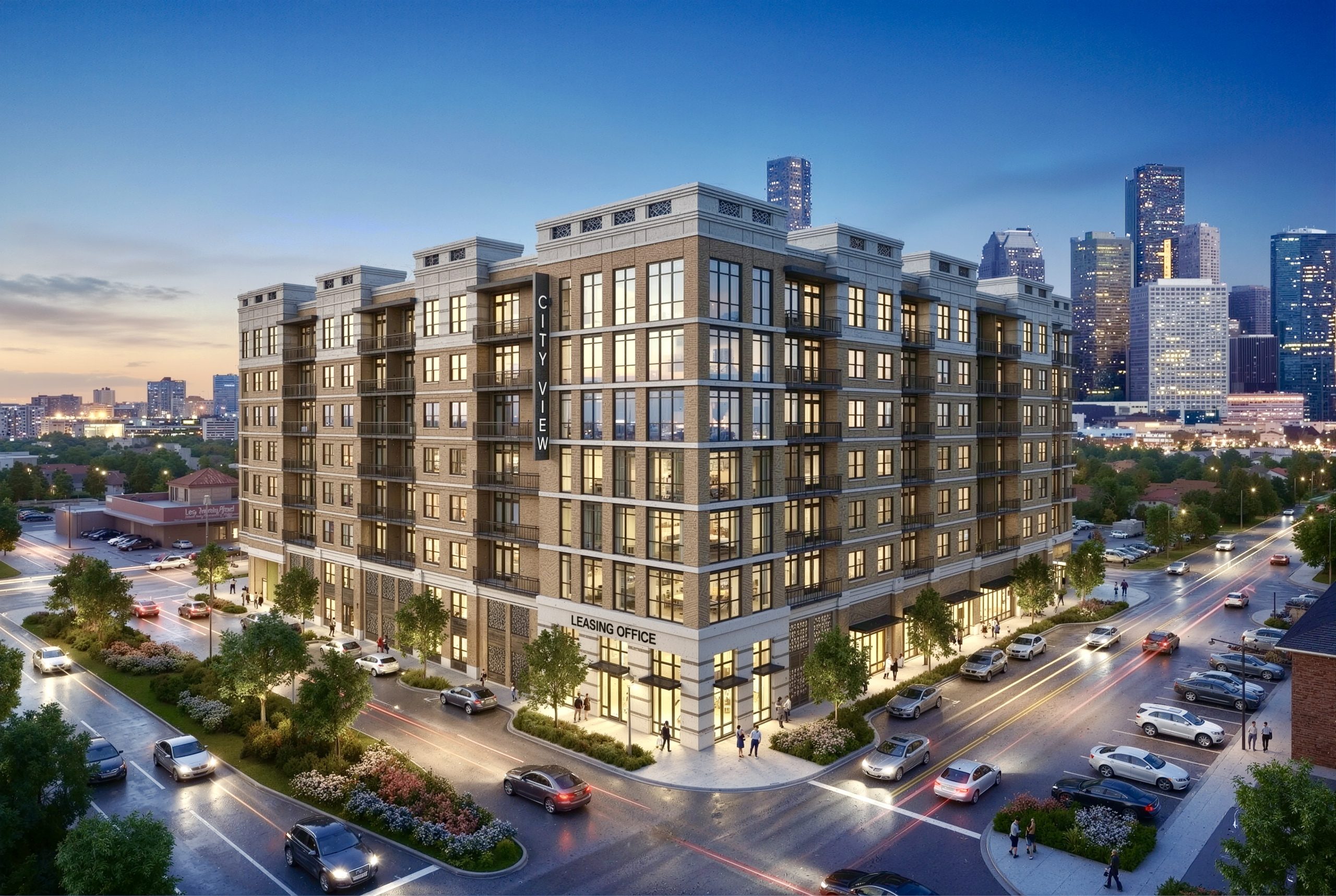
Speculative Multifamily Rendered by AI
Real estate development begins with fast-moving forces like speculation, capital, and narrative, but slows down in the soft-cost phases where ideas must be proven through design, compliance, and documentation. Technology—especially AI and automation—is rapidly reducing this bottleneck by turning intention into data, simulation, and validated models. As these processes accelerate, developers can test futures with less risk, and architects shift from producing drawings to shaping strategy, meaning, and experience. The built environment becomes a more direct, efficient expression of human intention as the gap between idea and physical reality continues to shrink.